
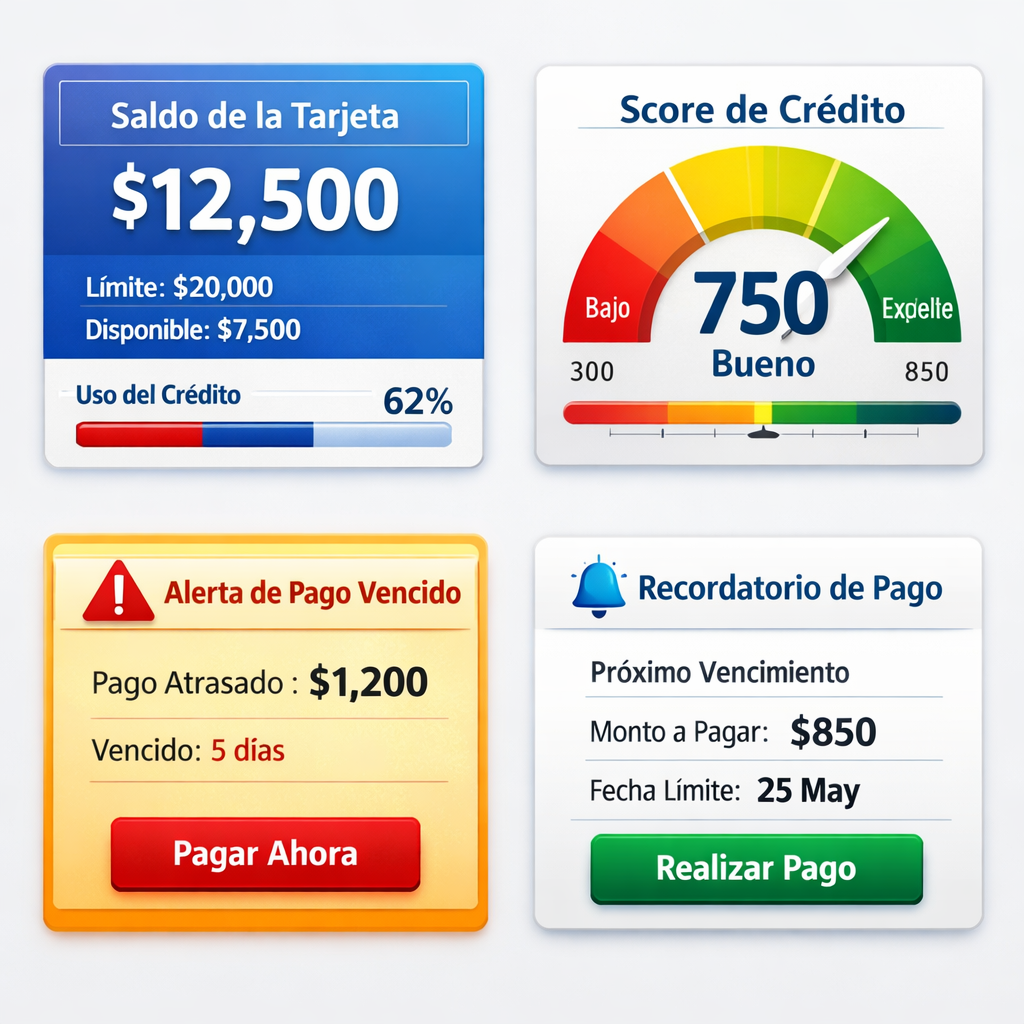
Building credit as an immigrant in the USA can be challenging, especially without a Social Security Number (SSN). Many newcomers make mistakes that slow down their credit-building process, increase fees, or even hurt their credit score.
This guide will cover the most common credit mistakes for immigrants, why they happen, and how you can avoid them to build a strong financial foundation from the start.
By following these tips, you can protect your credit, improve your score faster, and gain access to better financial opportunities.
Mistake 1 – Applying for Credit Cards Without ITIN
Many immigrants try to apply for credit cards without a Social Security Number or ITIN.
Why This Is a Problem
- Banks require identification for reporting to credit bureaus
- Applications are likely to be rejected
- Multiple rejections can negatively impact your credit
How to Avoid It
- Apply for an ITIN before applying for credit cards
- Only apply to banks and issuers that explicitly accept ITIN
- Keep documents ready: passport, ITIN, proof of address
Tip: Your first credit card should be secured or ITIN friendly, designed for newcomers.
Mistake 2 – Missing Payments
Late payments are one of the biggest factors that hurt credit scores.
Consequences
- Lowers your credit score significantly
- Can incur late fees and higher interest rates
- Makes it harder to qualify for future credit
How to Avoid It
- Set up automatic payments
- Use calendar reminders or banking apps
- Always pay at least the minimum balance on time
Paying in full each month is even better to avoid interest and build positive history.
Mistake 3 – Using Too Much Credit
Credit utilization (how much of your available credit you use) is crucial.
Why It Matters
- Using more than 30% of your credit limit can lower your score
- High utilization signals financial stress to lenders
How to Avoid It
- Use your card for small, regular expenses
- Pay off balances before the statement closes
- Keep multiple cards for flexibility, but monitor total utilization
Goal: Maintain utilization below 30% for each card and overall.
Mistake 4 – Closing Your First Credit Card Too Early
Many newcomers close their first card after upgrading or opening a new one.
Why This Is a Problem
- Shortens your credit history length
- Can decrease your credit score temporarily
- Reduces the overall credit available
How to Avoid It
- Keep your first card open even after getting a new one
- Use it occasionally for small purchases to maintain activity
- Gradually upgrade without closing older accounts
Mistake 5 – Applying for Multiple Cards at Once
Opening too many accounts in a short period triggers multiple credit inquiries.
Why This Is a Problem
- Each inquiry can slightly lower your credit score
- Banks may see you as a riskier borrower
- Can reduce chances of approval for better cards
How to Avoid It
- Apply for one card at a time
- Wait 6–12 months before applying for another card
- Focus on building history with existing accounts first
Patience is key: building a solid credit history takes time.
Mistake 6 – Ignoring Your Credit Report
Not checking your credit report can allow errors to go unnoticed.
Why This Is a Problem
- Mistakes can lower your score without your knowledge
- Fraud or identity issues may go undetected
- Prevents you from tracking progress
How to Avoid It
- Use annualcreditreport.com for free reports
- Monitor with apps like Credit Karma or Experian
- Dispute any errors immediately
Tip: Reviewing your report helps you stay in control of your financial health.
Mistake 7 – Relying Only on Cash
Some immigrants try to avoid credit entirely and only use cash.
Why This Is a Problem
- No credit history is created
- Misses opportunities to qualify for loans, apartments, or better rates
- Limited financial flexibility
How to Avoid It
- Use secured or ITIN friendly credit cards
- Pay responsibly and in full
- Combine cash with strategic card usage to build credit
Credit doesn’t mean debt if managed wisely.
Step by Step Action Plan to Avoid Mistakes
- Get ITIN before applying for any card
- Start with a secured card
- Pay balances in full and on time
- Keep credit utilization under 30%
- Maintain your first card even after upgrading
- Apply strategically, one card at a time
- Monitor credit report regularly
Consistency and responsible habits accelerate credit building safely.
Related Guides
- Step by Step Guide to Building Credit with ITIN
- Best ITIN Friendly Credit Cards
- Credit Cards Without SSN
Avoiding these mistakes is your first step toward strong, reliable credit in the USA.
Follow our actionable tips, monitor your progress, and explore our Build Credit category for detailed guides and card recommendations.